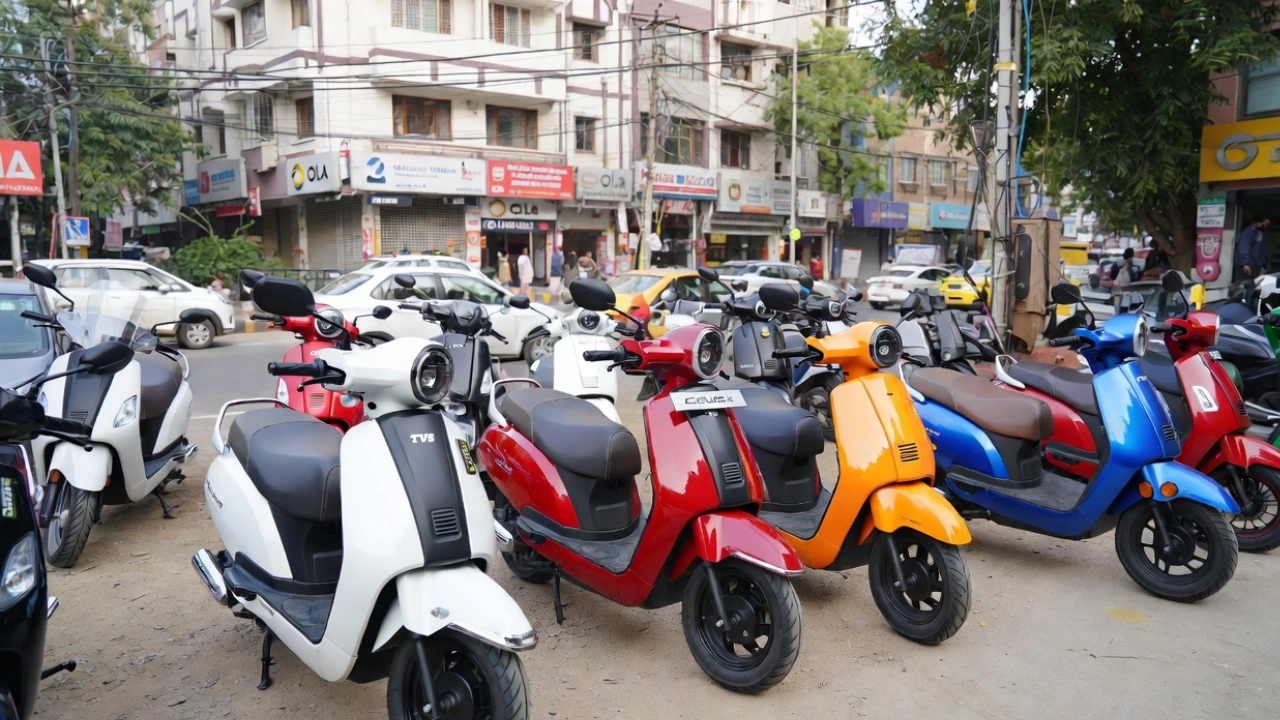
The Indian electric two-wheeler market has entered a decisive new phase in January 2026, and the message is unmistakable: reliability has overtaken hype. According to the latest VAHAN registration data, legacy manufacturers have firmly reclaimed control of the high-speed electric scooter segment, accounting for over 60% of total sales. What was once a startup-dominated space is now being led by brands with decades of manufacturing experience, deep dealer networks, and proven after-sales support.
January’s numbers mark a dramatic reshuffle of the leaderboard, with TVS Motor emerging as the undisputed market leader and Ola Electric, once the face of India’s EV revolution, falling sharply to fifth place.
January 2026 EV Two-Wheeler Sales Leaderboard
| Rank | Brand | Units Sold |
|---|---|---|
| 1 | TVS Motor | 34,428 |
| 2 | Bajaj Auto | 25,505 |
| 3 | Ather Energy | 21,915 |
| 4 | Hero Vida | 13,273 |
| 5 | Ola Electric | 7,511 |
| 6 | Ampere | 5,336 |
These figures highlight a fundamental shift in buyer priorities as India’s EV market matures.
TVS and Bajaj: The New Market Pillars
TVS Motor has started 2026 with remarkable momentum, recording 34,428 units, the highest monthly sales among all electric two-wheeler brands. The success of the TVS iQube reflects a carefully executed strategy built around battery safety, consistent quality, and an extensive service network. For many Indian families, trust now outweighs cutting-edge features—and TVS has positioned itself as the safest bet.
Close behind is Bajaj Auto, which sold 25,505 units in January. The Bajaj Chetak continues to attract buyers with its robust all-metal body, refined ride quality, and understated premium appeal. Bajaj’s manufacturing credibility and strong dealership reach have made the Chetak a preferred choice among urban professionals and family buyers alike.
Together, TVS and Bajaj represent the resurgence of legacy brands that understand Indian consumer expectations better than most startups.
Ather and Vida: The Mid-Segment Momentum
Ather Energy remains one of the strongest performers among newer players, selling 21,915 units. The introduction of the Ather Rizta has proven to be a turning point, helping Ather transition from a niche, tech-focused brand into a more mass-market contender. While Ather still emphasizes software and connected features, its improved reliability and expanding service footprint are paying dividends.
Hero MotoCorp’s Vida brand also delivered a solid performance with 13,273 units sold. Vida’s growth is closely linked to Hero’s unmatched presence in Tier-2 and Tier-3 cities, where trust in the Hero name continues to play a major role. As EV adoption spreads beyond major metros, Vida is well-positioned to benefit from Hero’s rural and semi-urban dominance.
Ola Electric’s Sharp Decline
The most striking development of January 2026 is the continued decline of Ola Electric, which sold just 7,511 units, placing it fifth on the leaderboard. This marks a significant fall for a brand that once commanded nearly 40% market share at its peak.
Persistent concerns around service quality, inconsistent customer experience, and unresolved reliability complaints appear to be driving buyers toward more established alternatives. While Ola still leads in software innovation and aggressive marketing, the market’s growing emphasis on durability and after-sales support has worked against it.
Ola’s slump underscores a broader industry lesson: early disruption alone is no longer enough to sustain leadership.
Ampere: Quietly Consistent
With 5,336 units, Ampere may not dominate headlines, but it continues to build a reputation as a reliable, no-nonsense EV brand. Models like the Ampere Nexus, with a focus on LFP battery safety and long-term durability, are attracting buyers who value peace of mind over flashy technology.
Ampere’s steady performance suggests there is a strong and growing segment of customers seeking dependable electric mobility without premium pricing or complexity.
Expert Perspective: A Market That Has Grown Up
January 2026 clearly indicates that India’s EV two-wheeler market has entered a phase of maturity. The focus has shifted from software features and aggressive range claims to hardware reliability, battery safety, and service accessibility.
Legacy manufacturers such as TVS, Bajaj, and Hero are now reaping the benefits of their conservative, safety-first approach. Meanwhile, startups must adapt quickly by strengthening after-sales support and improving product consistency if they hope to regain lost ground.
Final Thoughts
The “Legacy Takeover” of January 2026 is not a temporary trend—it reflects a deeper change in consumer mindset. As EVs move from early adoption to mainstream use, Indian buyers are choosing brands they trust to deliver long-term reliability.
For the EV industry, the message is clear: in 2026, trust beats hype.