
Tesla is stepping into one of the most critical years in its history. CEO Elon Musk has declared 2026 a “prove-it year,” setting multiple ambitious deadlines that could determine the company’s long-term future. From scaling self-driving technology and expanding robotaxi services to unveiling humanoid robots and long-awaited vehicle launches, Tesla is betting big on innovation.
Industry analysts believe Tesla’s success will depend heavily on one factor: whether its artificial intelligence-powered autonomy can truly work at scale in real-world conditions.
Let’s explore what Tesla has planned for 2026 and why this year could redefine the electric vehicle giant.
Tesla’s Autonomous Driving: The Core Focus of 2026
Tesla has been aggressively developing its Full Self-Driving (FSD) software, promising safer, smarter, and more reliable autonomous driving for everyday consumers. In 2025, Tesla officially rolled out its early robotaxi service in select regions, marking a major milestone in autonomous mobility.
In 2026, the company aims to:
- Improve real-world reliability of self-driving systems
- Expand autonomous capabilities to more cities
- Reduce human intervention in complex traffic scenarios
- Prove that AI-driven driving can safely scale worldwide
Analysts say Tesla must demonstrate consistency and safety to gain regulatory trust and consumer confidence. Without clear progress in autonomy, Tesla’s futuristic roadmap could face delays.
Robotaxi Expansion: From Pilot to Mass Deployment
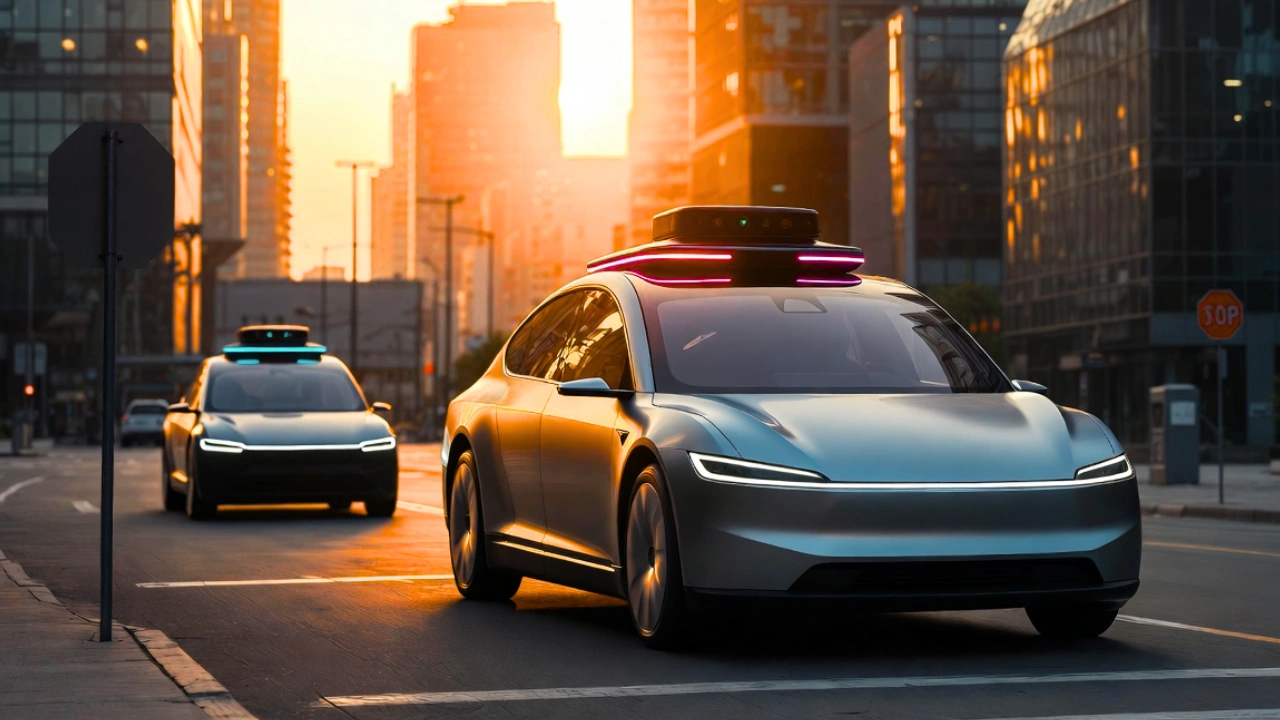
Tesla’s robotaxi project is one of its boldest initiatives. The company envisions fleets of fully autonomous taxis operating without drivers, reducing transportation costs and generating recurring revenue.
Elon Musk has hinted at Cybercab volume production in 2026, which could mark Tesla’s transition from testing to mass deployment. If successful, Tesla could compete directly with companies like Waymo in the autonomous ride-hailing space.
Key goals for robotaxi growth include:
- Scaling fleet size efficiently
- Ensuring reliable autonomous navigation
- Lowering operating costs
- Meeting safety and regulatory requirements
This phase will determine whether robotaxis become a profitable business model or remain a long-term experiment.
Humanoid Robots: Tesla’s Bold Robotics Vision
Tesla is also investing heavily in humanoid robots designed for industrial and household tasks. Musk believes robots could eventually become a major revenue stream beyond vehicles.
In 2026, Tesla is expected to:
- Improve robot mobility and intelligence
- Demonstrate real-world use cases
- Increase production readiness
If successful, Tesla could emerge as a leader in consumer robotics, expanding far beyond the automotive sector.
New Vehicle Launches and Roadster Demonstration
Another highlight of 2026 is Tesla’s promise to showcase at least one long-awaited vehicle. Musk has teased a high-performance Roadster demonstration, which has been delayed multiple times.
Additionally, Tesla is expected to work on:
- Cost-effective EV models for mass adoption
- Updated designs and enhanced battery efficiency
- Faster production cycles
Analysts emphasize that affordable electric vehicles will be crucial to maintaining market share amid rising competition.
Analysts’ View: Autonomy Will Decide Tesla’s Future
Market experts agree that Tesla’s valuation and growth depend on proving that its AI autonomy can operate reliably at scale. While flashy product demos attract attention, long-term success will require:
- Stable self-driving performance
- Regulatory approval across major markets
- Consumer trust in autonomous systems
- Competitive pricing of EVs
If Tesla delivers on these goals, 2026 could become a breakthrough year. If not, delays may impact investor confidence and market leadership.
Final Thoughts
Tesla’s 2026 roadmap is packed with ambitious promises — autonomous driving expansion, robotaxi commercialization, humanoid robots, and new vehicle launches. Elon Musk has called this year “something special,” but the real test lies in execution.
Whether Tesla can transform bold vision into scalable reality will define not just the company’s future, but the future of mobility itself.