
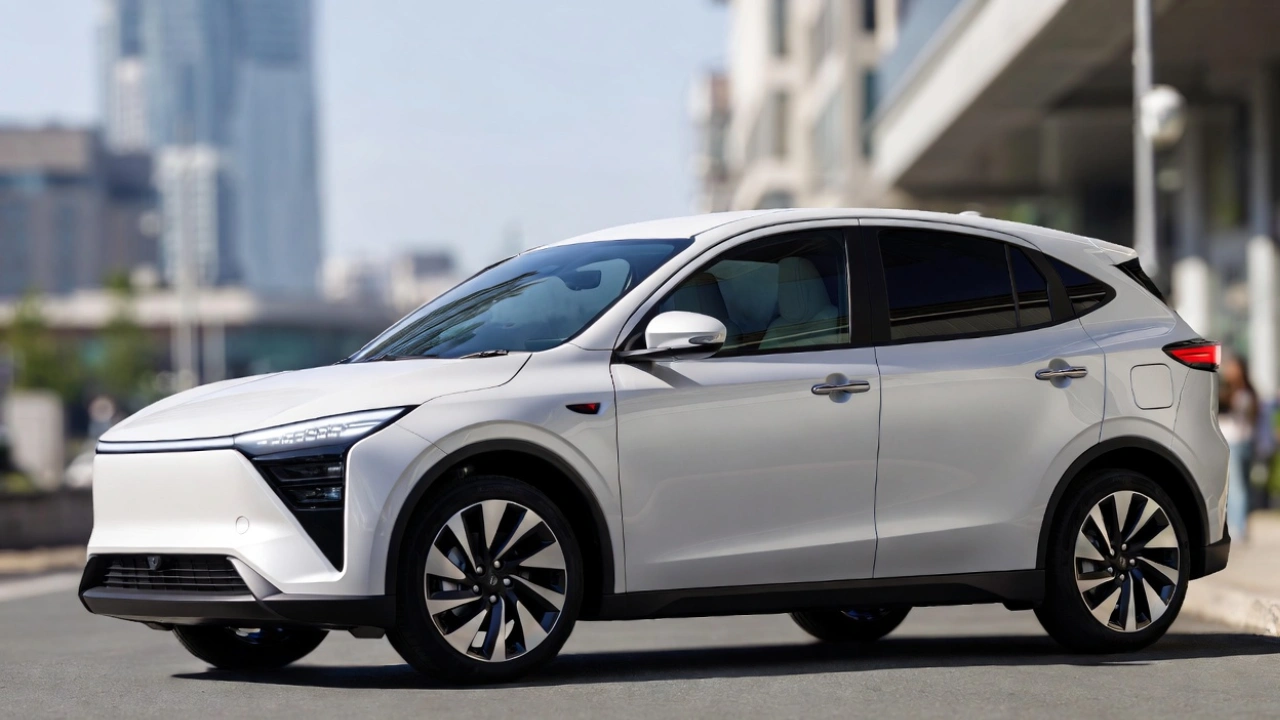
Toyota has officially unveiled the 2026 Urban Cruiser Ebella EV, marking the Japanese automaker’s entry into India’s rapidly expanding mass-market electric vehicle segment. The Ebella EV introduces Toyota’s first all-electric SUV for mainstream buyers and will be offered with a Battery-as-a-Service (BaaS) rental scheme, similar to the model already adopted by MG for the Windsor EV.
Essentially a rebadged version of the upcoming Maruti e Vitara, the Toyota Urban Cruiser Ebella EV brings a more refined and sleek visual identity while leveraging shared EV architecture. For buyers interested in Toyota’s approach to affordable electrification, here’s a detailed look at the design, exterior highlights, and what sets the Ebella EV apart.
Exterior Design: Sleek Over Rugged
If the Maruti e Vitara’s rugged stance feels a little too aggressive, the Urban Cruiser Ebella EV offers a more streamlined and urban-focused design. Toyota has opted for a cleaner, smoother silhouette that aligns with its global EV design philosophy.
Up front, the Ebella EV features the typical electric vehicle styling cues—a closed-off front grille paired with sleek bumpers that give the SUV a tidy, aerodynamic appearance. The highlight, however, is the monopod-style LED headlamps, complemented by pixel-inspired LED daytime running lights. These lighting elements lend the Ebella EV a futuristic yet slightly aggressive face, helping it stand out in traffic.
The front bumper design is understated but well-sculpted, emphasising the EV’s modern character rather than a rugged SUV persona.
Side Profile: Curvy and Contemporary
Viewed from the side, the Urban Cruiser Ebella EV adopts a curvy, flowing profile, differentiating it from the boxier design language seen on some compact SUVs. Toyota has retained thick black cladding around the wheel arches and lower door panels, adding visual mass and protecting against minor scrapes.
The EV rides on 18-inch aerodynamically designed dual-tone alloy wheels, which not only enhance its premium appeal but also contribute to improved efficiency. The wheel design reinforces the Ebella EV’s urban credentials, blending style with functionality.
Interestingly, Toyota has chosen to omit roof rails, giving the SUV a smoother, more rounded look. This design decision further distances the Ebella EV from traditional SUV aesthetics and places it firmly in the lifestyle electric crossover category.
Rear Design: Clean and Tech-Focused
At the rear, the Ebella EV continues with its minimalist and modern approach. The SUV features a full-width LED light bar that connects both taillamps, a popular design trend in contemporary EVs. Inside the taillamp clusters, pixel-style lighting elements echo the design theme seen at the front, creating a cohesive lighting signature.
The tailgate design is clean, with minimal creases and a balanced stance. The bumper remains simple, reinforcing the Ebella EV’s sleek, city-friendly image rather than a rugged off-road look.
Dimensions and Styling Differences
While the Toyota Urban Cruiser Ebella EV shares its platform with the Maruti e Vitara, Toyota has introduced subtle dimensional tweaks. The Ebella EV is slightly longer by around 10 mm and taller by approximately 5 mm, helping it establish a distinct identity despite the shared underpinnings.
These minor changes, combined with Toyota-specific design elements, ensure the Ebella EV doesn’t feel like a mere badge-engineered product, but rather a refined alternative for buyers who prefer a more polished aesthetic.
Battery Rental Scheme: Lower Entry Cost
One of the most noteworthy aspects of the Urban Cruiser Ebella EV is Toyota’s decision to offer it with a Battery-as-a-Service (BaaS) model. Under this scheme, customers can purchase the vehicle without the battery, significantly reducing the upfront cost, and instead pay a monthly rental fee based on usage.
This approach addresses two major concerns for EV buyers—high initial purchase price and battery longevity. By separating battery ownership from the vehicle, Toyota aims to make electric mobility more accessible and worry-free for a wider audience.
What’s Next?
While Toyota has not yet revealed complete specifications, interior details, or range figures, the Urban Cruiser Ebella EV is expected to closely mirror the Maruti e Vitara in terms of battery capacity, motor output, and driving range. More information regarding features, pricing, and launch timelines is expected closer to its market debut.
Verdict
The 2026 Toyota Urban Cruiser Ebella EV positions itself as a sleek, urban-friendly electric SUV designed to appeal to buyers seeking Toyota reliability with modern EV technology. Its smoother styling, practical dimensions, and innovative battery rental scheme make it a promising option in the growing electric SUV space.
As Toyota steps into the mass EV market, the Ebella EV could play a crucial role in shaping the brand’s electric future in India.